

Why choose us
Main Business
Our main business includes woven bags of various specifications and thicknesses, snakeskin bags, valve bags, inner membrane bags, ton bags, container bags, paper-plastic composite bags, color-printed woven bags, weeding cloths, and other plastic packaging products.
Production Equipment
The company uses professional plastic weaving production equipment, a 10-color combined gravure printing machine, a photoelectric deviation correction high-speed compound machine, a centering edge folding machine, and other equipment.
After-sales Service
We provide excellent after-sales service, addressing customer complaints and solving problems effectively.
OEM Solutions
We accept both OEM and ODM orders. Materials and styles can be customized, and we will advise on the minimum order quantity after discussion.
What Is FIBCs Bags
Flexible Intermediate Bulk Containers (FIBC), commonly known as bulk bags, have become an indispensable packaging solution for a wide range of industries. Their versatility, durability, and cost-effectiveness make them ideal for transporting and storing various materials in huge quantities.
-
 Add to Inquiry
 -
Add to Inquiry
-
Add to Inquiry
-
Add to Inquiry
-
Add to Inquiry
-
Add to Inquiry
-
Add to Inquiry
-
Add to Inquiry
-
Add to Inquiry
-
Flexible Intermediate Bulk Container Bags
Add to Inquiry


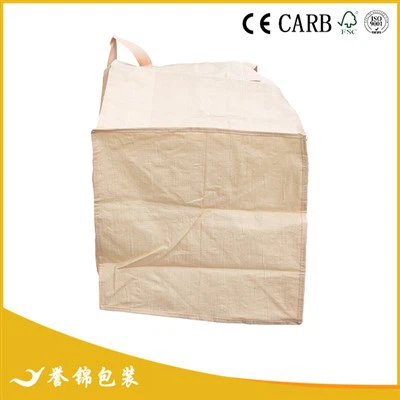


Benefits of FIBC Bags
Large Capacity: FIBC bags can hold up to two metric tons of material, making them ideal for transporting and storing large quantities of materials.
Cost-Effective: They are relatively inexpensive compared to other types of packaging, making them a cost-effective option for many industries.
Durable: These bags are made of heavy-duty woven polypropylene, which makes them very durable and resistant to tears and punctures.
Easy to Handle: FIBC bags have four lifting loops and can be easily lifted by a forklift, crane, or special sling.
Versatile: They can be used in a wide range of industries, including agriculture, construction, mining, food, chemical, and recycling.
High Efficiency: They are highly efficient for loading, unloading, and handling materials, which reduces labor and handling costs.
Customizable: They can be customized to meet specific industry requirements, with various sizes, shapes, and designs available.
Environmentally Friendly: They are reusable, and can be easily cleaned, inspected, and repaired.
Space-Saving: Since they can be stacked, they save a lot of space compared to other types of packaging.
Compliance: They comply with various national and international standards, such as UN certification, which ensures safety during handling and transportation.
Better Handling of Hazardous Materials: FIBC bags can be used to transport and store hazardous materials safely. They are designed to meet specific safety requirements and can be used for hazardous goods.
Reduces Waste: FIBC bags are reusable, which reduces the amount of waste generated from packaging materials. They can also be recycled at the end of their life, further reducing waste.
Faster Loading and Unloading: FIBC bags can be loaded and unloaded quickly, reducing the time required for transportation and storage.
Reduced Risk of Damage: FIBC bags are designed to protect the contents from damage during transportation and storage, ensuring that goods arrive at their destination in good condition.
Uses of FIBC Bulk Bags
FIBC bulk bags are widely used across various industries for transporting and storing bulk materials. Here are some common uses:
Chemical Industry: Manufacturers in the chemical industry utilize FIBC bags to transport hazardous substances such as chemicals, fertilizers, or plastics, protecting them from corrosion or degradation due to chemical reactions.
Agriculture: Clean and waterproof FIBC bags are employed to transport large quantities of raw materials such as grains, flour, sugar, salt, and even liquids like syrup or edible oil.
Construction and Building Materials: Industries related to construction materials, such as sand, gravel, cement, and aggregates, often use FIBCs for transportation due to their ability to withstand heavy loads of up to 2,500 kg.
Mining and Minerals: The mining industry utilizes FIBCs to transport minerals and ores during the mining process.
Pharmaceuticals: In the pharmaceutical industry, FIBCs are used to handle and transport bulk pharmaceutical ingredients (APIs), excipients, and other raw materials in large quantities, meeting strict safety and hygiene standards.
Emergency Relief and Humanitarian Aid: During humanitarian crises or natural disasters, FIBCs are used to provide essential supplies such as food, water, and medical supplies to affected areas, or even to prevent soil erosion by blocking rocks and rivers.
What Are the Different Types of FIBC Bags
Type A FIBC bags are the most basic and commonly used variety. They are made from non-conductive polypropylene fabric, which provides protection against dust and moisture. However, they offer no protection against static electricity and are therefore unsuitable for use in environments where flammable or explosive materials are present. Type A bags are typically the most affordable option, making them a popular choice for non-sensitive materials.
Type B FIBC bags are similar to Type A bags in terms of fabric composition but include an additional antistatic treatment. While this treatment reduces the risk of static buildup to a low extent, it does not provide a completely safe solution for transporting flammable substances. Type B bags are commonly used for non-sensitive materials that do not pose a significant fire hazard. Their price falls into the mid-range category.
Type C FIBC bags, also known as conductive bags, are designed to safely transport flammable materials. They are constructed from a specialized conductive fabric, often with interwoven conductive threads or metallic coatings, creating a grid pattern. Type C bulk bags facilitate the dissipation of static electricity through grounding, minimizing the risk of sparks or explosions. These bags are an ideal choice for environments with combustible atmospheres and for transporting flammable products and powders. Due to their specialized construction and additional safety features, Type C bulk bags tend to be more expensive compared to Type A and B bags.
Type D FIBC bags, also referred to as antistatic bags, offer a higher level of protection against static electricity. Unlike Type C bags, Type D bags rely on the use of antistatic fabrics rather than grounding. The antistatic properties of the fabric safely dissipate static charges, preventing sparks or explosions. Type D bags are often favored for transporting sensitive materials such as powders, chemicals, and pharmaceuticals. The pricing of Type D bags is higher due to their enhanced safety features and special fabric requirements.
FIBC Bags Manufacturing Process
Step 1: Extrusion
The primary polypropylene (PP) plastic particles are melted and formed into tape.
Step 2: Weaving
The extruded tape rolls are loaded into the weaving machine, where the tapes are woven into fabric of the required specifications and formed into rolls.
Step 3: Coating (Optional)
The PP fabric is coated to make it moisture-resistant. This process is optional and depends on customer requirements.
Step 4: Cutting
The woven PP fabric rolls are fed into an automatic cutting machine and cut into segments according to the required size.
Step 5: Printing
The cut segments are fed into a heavy-duty printing machine to apply printing on the fabric.
Step 6: Webbing
Heavier PP tapes are woven into webbing, which forms the lifting loops of the FIBC bags.
Step 7: Sewing
In this step, all components are assembled into a large bag.
Step 8: Checking
Each completed bag is checked by technicians to ensure it meets quality standards. Additionally, random FIBC bulk bags are selected from a batch and tested to ensure they achieve the safe working loads.
Step 9: Packing and Storage
The finished bags are compressed with a baler, neatly packed, and stored.
Common Uses of FIBC Bags in Various Industries


Introduction
Flexible Intermediate Bulk Containers (FIBC), commonly known as big bags, are large, flexible bags made from woven polypropylene fabric. These bags are designed to transport and store bulk quantities of goods, offering a cost-effective and efficient solution for various industries. With their versatility and robustness, FIBC bags have become an indispensable part of modern-day logistics. In this blog, we will explore the common uses of FIBC bags across different industries.
Agriculture
The agricultural industry extensively relies on FIBC bags for the packaging and transportation of a wide range of products. These bags are commonly used for storing and transporting fertilizers, seeds, grains, and other agricultural commodities. FIBC bags protect the contents from moisture, pests, and UV radiation, ensuring the quality and integrity of the agricultural products.
Chemicals and Petrochemicals
FIBC bags play a crucial role in the safe handling and transportation of chemicals and petrochemicals. Due to their excellent strength and resistance to chemicals, these bags are used for packaging and transporting hazardous substances like powders, granules, and flammable materials. FIBC bags designed for this industry often include features such as antistatic properties and liners to prevent product contamination.
Construction
In the construction industry, FIBC bags are widely used for handling and transporting construction materials. These bags can carry heavy loads of materials such as sand, gravel, cement, and aggregates. FIBC bags with lifting loops and discharge spouts facilitate easy filling and emptying of materials, saving time and labor. Their robust construction ensures durability even in demanding construction environments.
Food and Beverage
The food and beverage industry relies on FIBC bags for the safe and hygienic storage and transportation of various products. These bags are commonly used for packing ingredients like sugar, flour, rice, and spices. FIBC bags with food-grade liners help maintain product quality and prevent contamination. They also offer excellent protection against moisture and pests, ensuring the freshness and integrity of food products.
Mining
In the mining industry, FIBC bags are essential for the storage and transportation of minerals, ores, and aggregates. These bags can handle heavy loads of materials and withstand the rugged conditions often encountered in mining operations. FIBC bags with sift-proof seams and liners prevent leakage and maintain product integrity during transportation. They also enable easy loading and unloading of materials, improving operational efficiency.
Pharmaceuticals
FIBC bags find applications in the pharmaceutical industry for the safe packaging and transportation of pharmaceutical powders and granules. These bags offer protection against moisture, UV radiation, and contamination, ensuring the stability and quality of sensitive pharmaceutical products. FIBC bags designed for the pharmaceutical industry often include features such as tamper-evident seals and barrier properties to meet stringent regulatory requirements.
Recycling and Waste Management
FIBC bags are widely used in recycling and waste management operations. These bags facilitate the collection, storage, and transportation of recyclable materials such as plastics, paper, and metal scraps. FIBC bags with large capacities and sturdy construction help optimize space utilization and improve the efficiency of waste management processes. They can also be customized with various closures and liners to handle different types of waste materials.
Retail and E-commerce
FIBC bags are gaining popularity in the retail and e-commerce sectors as a sustainable packaging solution. These bags can be used for bulk packaging and shipping of goods, reducing the need for excessive packaging materials. FIBC bags with custom printing options also serve as effective branding tools, allowing companies to promote their products and enhance brand visibility.
Conclusion
The versatile nature of FIBC bags makes them invaluable in various industries. From agriculture to construction, and from chemicals to retail, these bags offer reliable and cost-effective solutions for storing, handling, and transporting bulk goods. The robustness, flexibility, and customization options of FIBC bags make them an ideal choice for businesses looking to optimize their logistics processes. As industries continue to evolve, the demand for FIBC bags is expected to rise, driving innovation and further enhancing their utility in the future.
How to Ensure Proper Handling and Storage of FIBC Bags
Understand Weight Capacity and Load Distribution
Before handling FIBC bags, it is crucial to understand their weight capacity and load distribution guidelines. Each FIBC bag is designed with a specific weight limit that should not be exceeded. Excessive weight can strain the bag’s structure and compromise its integrity, leading to tears or failures. Distribute the load evenly within the bag to maintain balance and stability during handling and storage. Avoid placing excessive weight on specific areas or corners of the bag.
Use Appropriate Lifting Equipment
Using proper lifting equipment is vital to ensure safe and efficient handling of FIBC bags. Manual handling of heavy bags can lead to injuries and accidents. Employ mechanical lifting equipment, such as forklifts or cranes, with appropriate attachments and fittings designed for lifting FIBC bags. Ensure that the lifting equipment is capable of supporting the weight of the bag and that operators are trained in the safe operation of the equipment.
Inspect Bags Before and After Use
Regular inspection of FIBC bags is essential to identify any signs of wear, damage, or contamination. Inspect the bags before use to ensure they are free from tears, holes, or frayed edges. Check the lifting loops, seams, and discharge spouts for any signs of weakening or separation. Any damaged bags should be repaired or replaced to prevent potential failures during handling or storage. After use, inspect the bags again to identify any damage that may have occurred during transportation or storage.
Protect Bags from Environmental Factors
FIBC bags should be protected from adverse environmental factors to maintain their integrity. Avoid exposing the bags to direct sunlight, extreme temperatures, or moisture, as these can degrade the fabric and weaken the bag. Store the bags in a clean and dry area, preferably indoors or under a weatherproof covering. Moisture can lead to mold or mildew growth, which not only compromises the bag but also poses a risk of contamination to the contents. Ensure proper ventilation in the storage area to prevent condensation.
Stack Bags Properly
When storing FIBC bags, it is important to stack them properly to prevent damage and ensure stability. Stack the bags on pallets or racks to provide a stable base and prevent direct contact with the floor. Avoid stacking bags too high to prevent toppling or collapse. If stacking multiple layers of bags, place a layer of protective material, such as cardboard or stretch wrap, between the layers to prevent friction and potential damage. Ensure that the stack is stable and secure to prevent accidents.
Avoid Sharp Objects and Rough Surfaces
During handling and storage, avoid contact with sharp objects or rough surfaces that can puncture or damage the FIBC bags. Ensure that the storage area is clear of debris, nails, or sharp edges that can pose a risk to the bags. When handling the bags, be cautious of nearby objects that can cause abrasion or tears. Taking preventive measures and maintaining a clean and organized environment can significantly reduce the risk of damage to the bags.
Implement Rotation and FIFO System
To ensure the proper utilization of FIBC bags, implement a rotation system based on the “First-In-First-Out” (FIFO) principle. This means using the oldest bags first to prevent them from sitting in storage for an extended period. Rotate the bags regularly to avoid prolonged storage and potential degradation. Implementing a FIFO system helps ensure that bags are used within their recommended lifespan and minimizes waste.
Train Personnel on Proper Handling
Proper training of personnel is essential for ensuring the correct handling of FIBC bags. Educate employees on weight capacity, load distribution, and safe lifting techniques. Train them in the proper use of lifting equipment and make them aware of potential hazards associated with mishandling or improper storage of FIBC bags. Regularly reinforce training to ensure that employees are up to date with the best practices for handling and storage.
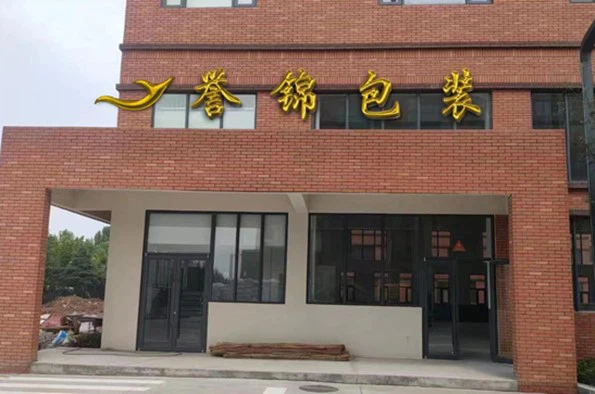
Shandong Yujin Packaging Co., Ltd. has many years of production experience in the woven bag industry. There are multiple woven bag production lines and supporting products, a production technical team and a sales service team, and one-stop service for design and plate making. Main business: woven bags of various specifications and thicknesses, snakeskin bags, valve bags, inner membrane bags, ton bags, container bags, paper-plastic composite bags, color-printed woven bags, weeding cloths and other plastic packaging products.

FAQ
We're known as one of the most professional fibcs bags enterprises in China. If you're going to buy high quality fibcs bags at competitive price, welcome to get pricelist and quotation from our factory. For more cheap products, contact us now.
Resin Container Bag, Slingless FIBC, Top White Sling Bag