

Why choose us
Main Business
Our main business includes woven bags of various specifications and thicknesses, snakeskin bags, valve bags, inner membrane bags, ton bags, container bags, paper-plastic composite bags, color-printed woven bags, weeding cloths, and other plastic packaging products.
Production Equipment
The company uses professional plastic weaving production equipment, a 10-color combined gravure printing machine, a photoelectric deviation correction high-speed compound machine, a centering edge folding machine, and other equipment.
After-sales Service
We provide excellent after-sales service, addressing customer complaints and solving problems effectively.
OEM Solutions
We accept both OEM and ODM orders. Materials and styles can be customized, and we will advise on the minimum order quantity after discussion.
What Is Tarpaulin
Tarpaulins are sturdy, lightweight coverings that have been used for a long time. They serve many purposes and are essential for some homes and organizations. People use tarpaulins to protect themselves from storms, tornadoes, heavy rain, and flooding, as well as for camping and travel. Tarpaulins can also be used as fire starters and decorations for gardens, yards, and campgrounds. They can enhance your home by preventing water damage and filling gaps between bricks or floors.
-
 Add to Inquiry

Benefits of Tarpaulin
Strength and Durability
Tarpaulin is known for its robustness and strength. It can withstand heavy loads and rough handling, making it suitable for demanding and heavy-duty situations.
Resistance to Tearing and Abrasion
The material's resistance to tearing and abrasion ensures that it remains intact and functional even in challenging environments. This feature enhances its longevity and reliability.
Ability to Withstand Harsh Weather Conditions
Tarpaulin is engineered to be weather-resistant, allowing it to endure adverse conditions such as heavy rain, snow, and strong winds. It provides effective protection for covered items or surfaces, keeping them safe from weather-related damage.
Waterproof Properties
One of the most significant benefits of tarpaulin is its waterproof nature. It effectively shields objects and equipment from rain and moisture, preventing water damage and corrosion.
UV Resistance
Many tarpaulins are treated with UV-resistant coatings or additives to protect them from the harmful effects of the sun’s ultraviolet rays. This feature prevents fading and degradation, ensuring continued performance.
Versatility
Tarpaulin’s versatility is another advantage. It is available in various sizes, thicknesses, and colors, making it adaptable to a wide range of applications. It can be easily cut, shaped, and customized to fit specific needs.

A tarpaulin, or tarp, is typically made from a woven or non-woven material coated or laminated with polyethylene, a type of plastic. The exact composition may vary depending on the manufacturer and the intended use, but most tarps are made from a combination of the following materials:
- Polyethylene: A strong and durable plastic that is resistant to water, UV rays, and tearing.
- Woven or Non-Woven Fabric: The base material of the tarp may be made from woven or non-woven fabrics, such as polyester, canvas, or nylon.
- Adhesives: Tarps may be laminated or coated with adhesives to enhance their water resistance, durability, and strength.
- Reinforcing Materials: Tarps may include reinforcements such as grommets, ropes, or reinforced edges to improve their resistance to tearing and damage.
- UV Inhibitors: Some tarps are treated with UV inhibitors to enhance their resistance to UV light and prevent degradation over time.
Tarpaulin Production Process
Tarpaulins are made by weaving or knitting synthetic fibers together to form a durable base fabric. This base fabric is then coated or laminated with additional materials to enhance the tarpaulin’s performance characteristics. The production process involves several steps, including material selection, manufacturing, coating or lamination, and finishing and packaging. Specific techniques vary depending on the type of tarpaulin and the desired properties of the final product. Here is an overview of a typical production process:


Material Selection: The first step in tarpaulin production is selecting the appropriate material based on the type of tarp needed, the intended application, and performance requirements. Common materials for tarpaulins include polyethylene (PE), polypropylene (PP), and polyvinyl chloride (PVC). Each material has its own pros and cons. They all offer durability, flexibility, water resistance, and UV resistance, but to varying degrees. Currently, FLFX tarpaulin manufacturer produces only PVC-coated tarpaulin material, which is also the most popular tarp material on the market.
Material Preparation: Once the tarpaulin type is selected, the material is processed into a tear-resistant base fabric through weaving or knitting. Woven tarpaulins are made by interlacing synthetic fibers on a loom to create a strong, durable fabric. Knitted tarpaulins are produced using knitting machines that interlock yarns to create a flexible and stretchable fabric. For PVC laminated tarpaulins, the extrusion process is used to melt PVC resin at high temperatures and extrude it through a calendar machine to form a continuous PVC film sheet. Alternatively, additives and PVC resin are melted at high temperatures for knife coating.
Coating or Laminating: PVC tarpaulins are produced using either knife coating or lamination methods. Knife coating involves applying PVC resin layer by layer onto the base fabric, which is then cooled at high temperatures to form the PVC tarpaulin. Lamination involves layering 2 to 8 sheets of PVC film and base fabric together at high temperatures to create the tarpaulin. These PVC layers provide waterproofing, UV resistance, abrasion resistance, and color stability, thereby increasing the tarpaulin's service life.
Cutting and Seaming: After coating or laminating, the tarpaulin fabric is cut to the desired size and shape using a cutter or hand-cutting tool. The edges of the tarp are reinforced with hems or bonding to prevent fraying and add strength. Seams are created by joining multiple tarpaulin pieces using heat sealing, welding, or sewing techniques. Vinyl tarps can be welded using high-frequency, hot air, or ultrasonic methods, while PE or PP tarps are usually heat-sealed or sewn.
Finishing and Quality Control: After cutting and seaming, the finished tarpaulin undergoes quality control inspections to ensure that its size, strength, waterproofing, and appearance meet specified standards. Any flaws or deficiencies are addressed before the tarpaulin is packed and shipped to the customer. Optional finishing treatments, such as grommets, rope reinforcements, or surface coatings, can be applied to enhance the functionality and durability of the tarp.
When Choosing A Tarpaulin Material, Consider Factors Such As
Intended Use: Determine what you need the tarp for—whether it’s for temporary shelter, long-term protection, transportation, or other purposes.
Durability: Assess the level of wear and tear the tarp will experience. For heavy-duty use, opt for a more durable material like vinyl or heavy-duty polyethylene.
Weather Resistance: Ensure the tarp is suitable for the climate and weather conditions in your area.
UV Resistance: If the tarp will be exposed to sunlight, UV resistance is crucial to prevent degradation over time.
Breathability: Canvas or mesh tarps are breathable and suitable for applications where ventilation is needed.
Size and Weight: Consider the size and weight of the tarp, as well as its ease of handling and storage.
Protection from Weather
Outdoor Storage: Tarps cover outdoor items such as firewood, vehicles, and machinery to shield them from rain, snow, and UV rays.
Temporary Roof Repairs: In the event of roof damage, tarps can provide a temporary waterproof barrier until proper repairs are made.
Shelter
Tents and Camping: Tarps can be used as makeshift tents or as additional coverage over tents to enhance waterproofing.
Emergency Shelters: During natural disasters, tarps are used to create quick and temporary shelters for displaced individuals.
Ground Cover
Camping and Hiking: They serve as ground covers to keep tents and sleeping bags dry and clean.
Picnics and Events: Providing a clean, dry surface for outdoor activities.
Transportation
Truck and Trailer Covers: Protecting loads on trucks and trailers from the elements during transport.
Boat Covers: Shielding boats from water and sun damage when not in use.
Construction
Scaffolding Covers: Protecting construction sites and scaffolding from weather elements.
Building Material Protection: Covering materials such as lumber, cement, and tools to keep them dry and protected.
Agriculture
Crop Protection: Covering crops to protect them from frost, excessive rain, and pests.
Hay and Silage Covers: Keeping hay and silage dry to prevent spoilage.
Sports and Recreation
Groundsheets: Providing a waterproof barrier under tents and as a base for activities.
Swimming Pool Covers: Keeping debris out of swimming pools when not in use.
Windbreaks and Privacy Screens: Used at beaches, campsites, and events for privacy and wind protection.
Emergency Situations
Disaster Relief: Quick deployment as temporary roofs, walls, or floors in disaster-hit areas.
Emergency Repairs: Providing immediate cover for broken windows, damaged roofs, or other emergency situations.
How to Clean Plastic Tarpaulin
Remove Loose Debris
Use a broom, brush, or cloth to remove any loose debris, such as dirt, leaves, or twigs, from both sides of the tarp. This can be done by sweeping or brushing off the debris or using a cloth to wipe it away.
Prepare the Cleaning Solution
Mix a mild soap or detergent with water in a bucket or spray bottle. Avoid using harsh chemicals or abrasive cleaners, as they can damage the plastic material of the tarp.
Scrub the Tarp
Dip a soft brush, sponge, or cloth into the soapy water and scrub the tarp thoroughly, paying attention to any dirty or stained areas. Use gentle circular motions to remove dirt and grime, and be sure to clean all sides of the tarp.
Rinse with Clean Water
Once the tarp is clean, rinse it thoroughly with clean water to remove all soap residue. This can be done using a hose or by wiping the tarp with a damp cloth.
Dry Properly
Allow the tarp to air dry completely before storing it. Avoid folding or storing a damp or wet tarp, as this can promote mold and mildew growth. Hang it up or lay it flat in a well-ventilated area until it is completely dry.
Store Properly
Once the tarp is dry, store it in a cool, dry, and well-ventilated area. Avoid storing it in direct sunlight or in damp or humid conditions, as this can damage the plastic material over time.
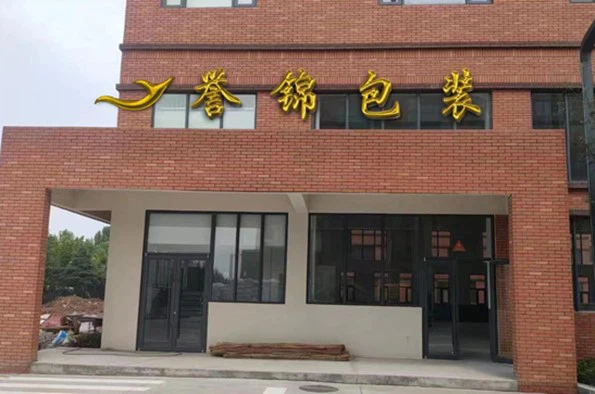
Shandong Yujin Packaging Co., Ltd. has many years of production experience in the woven bag industry. There are multiple woven bag production lines and supporting products, a production technical team and a sales service team, and one-stop service for design and plate making. Main business: woven bags of various specifications and thicknesses, snakeskin bags, valve bags, inner membrane bags, ton bags, container bags, paper-plastic composite bags, color-printed woven bags, weeding cloths and other plastic packaging products.

FAQ
We're known as one of the most professional tarpaulin enterprises in China. If you're going to buy high quality tarpaulin at competitive price, welcome to get pricelist and quotation from our factory. For more cheap products, contact us now.
Cotton Canvas Tarpaulin, Tarpaulin