

Why choose us
Main Business
Our main business includes woven bags of various specifications and thicknesses, snakeskin bags, valve bags, inner membrane bags, ton bags, container bags, paper-plastic composite bags, color-printed woven bags, weeding cloths, and other plastic packaging products.
Production Equipment
The company uses professional plastic weaving production equipment, a 10-color combined gravure printing machine, a photoelectric deviation correction high-speed compound machine, a centering edge folding machine, and other equipment.
After-sales Service
We provide excellent after-sales service, addressing customer complaints and solving problems effectively.
OEM Solutions
We accept both OEM and ODM orders. Materials and styles can be customized, and we will advise on the minimum order quantity after discussion.
What Is Woven Bags
Woven bags are made from fabric that has been woven to give the fabric strength. The process of weaving involves joining individual threads together to make a single piece of material. Doing this over and over again creates one large piece of cloth. The cloth is then used to manufacture tote bags in a number of different styles and shapes.
-
 Add to Inquiry
 -
Add to Inquiry
-
Add to Inquiry
-
Add to Inquiry
-
Add to Inquiry
-
Add to Inquiry
-
Add to Inquiry
-
Add to Inquiry


Advantages of Woven Bags
Durable and Lightweight
PP woven bags are extremely strong and offer excellent resistance against moisture and other environmental elements, making them ideal for storing and transporting various goods. These bags are also lightweight and easy to handle, which makes them an excellent choice for packing and transportation.
Moisture-Resistant
Woven polypropylene bags are resistant to water absorption, making them suitable for industries that handle moisture-sensitive products such as food and agriculture. These bags also resist mildew and mold growth, helping to keep products fresh and hygienic. Moisture can cause spoilage and clumping of items like fruits, vegetables, cement, or chemicals, making these bags invaluable for transportation and storage. They are ideal for long-term storage and reduce the need for frequent replacement, ultimately saving you money.
Cost-Effectiveness
Woven polypropylene bags are a popular choice among businesses due to their cost-effectiveness. They are cheaper than alternatives like jute or cotton bags but offer comparable strength and durability. This allows businesses to save money on packaging without compromising the quality of their products.
Easy Printing
Printing on woven polypropylene bags is an affordable and straightforward process. Their smooth and flat surface ensures high-quality prints, and they can be printed using various techniques, providing flexibility in design options. The cost-effectiveness of printing on woven polypropylene bags is due to the material's affordability and the efficient printing process, which helps to reduce production costs.
Recyclable
Woven polypropylene bags are an eco-friendly packaging option as they are made from recyclable plastic. They are strong, durable, water-resistant, and lightweight, which helps to reduce shipping costs. These bags are ideal for businesses looking to go green and reduce their environmental impact.
Long Storage Life
Woven polypropylene bags are designed for long-lasting use. They are ideal for packaging products that need to be stored for extended periods, as they provide reliable protection for their contents. Additionally, these bags can be reused many times without losing their strength, promoting sustainability.
Agricultural Product Packaging
PP woven bags are widely used for storing and transporting agricultural products such as aquatic products, feeds, fruits, and vegetables. Common types in the agricultural sector include feed PP woven bags, chemical PP woven bags, fertilizer PP woven bags, vegetable woven bags, and fruit mesh bags.
Food Packaging
PP woven bags are increasingly used for packaging food. Common food woven bags include rice PP woven bags, flour PP woven bags, and maize woven bags.
Geotechnical Engineering
PP woven fabrics are extensively used in the construction of irrigation systems, roads, railways, ports, mines, buildings, and more. They perform functions such as filtering, draining, isolation, and anti-seepage, making them popular geosynthetics.
Tourism and Transport
Temporary tents, sunshades, and various travel bags can be made from PP woven fabrics. Additionally, these fabrics can be used as fences and screens during construction.
Daily Necessities
PP woven bags are commonly used by workers, farmers, cargo agents, and others. You can find plastic woven products, such as shopping bags and logistics bags, in stores, warehouses, and homes, almost everywhere.
Flood Control Products
Woven bags play a crucial role in reducing or preventing the detrimental effects of floodwaters. They are widely used in the construction of dams, riverbanks, roads, and railways. Woven polypropylene sandbags are used worldwide for flood control.
Special Woven Bags
Special woven bags serve specific purposes. For example, UV-resistant woven bags offer UV protection and anti-aging functions, allowing them a longer lifespan in sunlight. Woven polypropylene tubes with UV protection can be used for earthbag construction.
Manufacturing Process of Woven Bags
PP woven bags are widely used for packaging in industries such as agriculture, food, chemicals, and more. These bags are durable, lightweight, and offer excellent resistance to moisture and chemicals. The manufacturing process of PP woven bags involves several steps, each crucial for creating a strong, reliable, and cost-effective packaging solution.
Extrusion of Polypropylene Resin
The process starts with the extrusion of polypropylene resin. PP resin, in the form of small beads or pellets, is fed into an extruder machine. Inside the extruder, the resin is melted at high temperatures (around 200 to 300 degrees Celsius) and formed into a molten polymer.
Formation of Flat Yarns
The molten PP is then passed through a spinneret to form flat tapes or yarns. This spinneret has multiple holes, each corresponding to a tape that will eventually make up the woven fabric. The speed of the extrusion process determines the thickness and strength of the yarn.
Stretching and Drawing
The flat tapes are then stretched and drawn to align the polymer molecules, increasing the strength and durability of the resulting fabric. This stretching process also controls the width and thickness of the yarn, which influences the final properties of the woven bag.
Weaving
The stretched tapes are woven using a circular loom or a flat loom. Circular looms are commonly used for tubular woven bags, while flat looms are used for flat woven fabric, which is later cut and stitched into bags. The weaving process interlaces the tapes, creating a strong and flexible fabric.
Lamination
In some cases, PP woven bags may undergo lamination for added protection. A thin layer of polyethylene (PE) film can be applied to one or both sides of the woven fabric. This lamination improves the bag’s resistance to moisture and makes it more suitable for packaging products that require extra protection.
Printing
After the fabric is woven and optionally laminated, it can be printed with designs, logos, product information, or handling instructions. Printing is typically done using a flexographic printing process, where ink is applied to the fabric through flexible relief plates.
Cutting and Stitching
The printed woven fabric is then cut into panels of the desired size for the bags. These panels are stitched together using high-speed sewing machines equipped with special needles and threads designed for PP woven fabrics. The stitching creates the sides and bottom of the bags, leaving the top open for filling.
Hemming and Finishing
The top of the bag is folded over and stitched to create a hem, reinforcing the opening and preventing fraying. Some bags may also have a drawstring closure or other types of closures added at this stage. The finished bags undergo quality control checks to ensure they meet the required specifications.
Baling and Packaging
Once the bags are manufactured and inspected, they are usually baled for transportation and storage. Baling compresses the bags into compact, uniform bundles, ready for shipping to customers. Depending on the order, bags may be packed into larger containers for bulk delivery or palletized for easier handling.
White Bags
These bags are primarily white (with added whitening agents) but can also be produced in various colors based on customer preferences. I recommend white bags because they make it easier to discern whether recycled materials have been used. The usual method of distinction involves observing the evenness of the thread color and the absence of impurities.
Semi-Transparent Bags
Compared to white bags, semi-transparent bags exhibit a slightly translucent quality. Typically, they do not contain whitening agents.
Fully Transparent Bags
These bags allow for a clear view of the contents, making it easy for customers to visually assess the quality of the items inside.

Considerations for Buying Woven Bags
Material Quality
The quality of the polypropylene used directly impacts the bag's strength and durability. Look for bags made from virgin PP material for better quality and longer life.
Weave Density
The weave density (measured in grams per square meter, or GSM) affects the bag’s strength. A higher GSM indicates a tighter weave and a stronger bag. Common GSM ranges from 50 to 200, depending on the application.
Bag Size and Shape
Determine the size and shape based on what you’ll be storing or transporting. Standard sizes range from small (25 kg capacity) to large (1000 kg capacity) bags. Custom sizes are also available.
Coating and Lamination
Coated or laminated bags offer additional protection against moisture, dust, and other environmental factors. If your products need protection from moisture, opt for laminated or coated bags.
Bag Features
Consider features like UV protection, anti-slip surfaces, liners, and printing options. UV protection extends the life of bags used outdoors. Liners can provide extra moisture protection, while printing can be used for branding and information.
Closure Type
Bags can have different closures, such as open-top, valve-top, or drawstrings. Choose the closure type that best suits your filling and sealing requirements.
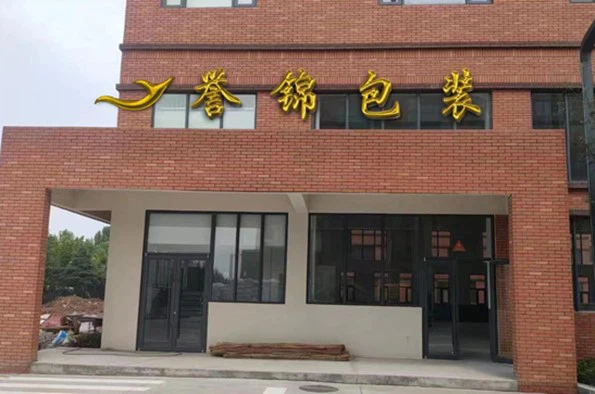
Shandong Yujin Packaging Co., Ltd. has many years of production experience in the woven bag industry. There are multiple woven bag production lines and supporting products, a production technical team and a sales service team, and one-stop service for design and plate making. Main business: woven bags of various specifications and thicknesses, snakeskin bags, valve bags, inner membrane bags, ton bags, container bags, paper-plastic composite bags, color-printed woven bags, weeding cloths and other plastic packaging products.

FAQ
We're known as one of the most professional woven bags enterprises in China. If you're going to buy high quality woven bags at competitive price, welcome to get pricelist and quotation from our factory. For more cheap products, contact us now.
Thickened Plastic Woven Bag, Translucent Woven Bag, Building Materials Woven Bags